Why the UK Needs Private Remote Urgent and Acute Care Clinics
What was once considered “winter pressure” has now become a year-round reality. Emergency departments are consistently overcrowded, inpatient beds remain limited, and patients are waiting far too long for urgent assessment and treatment.
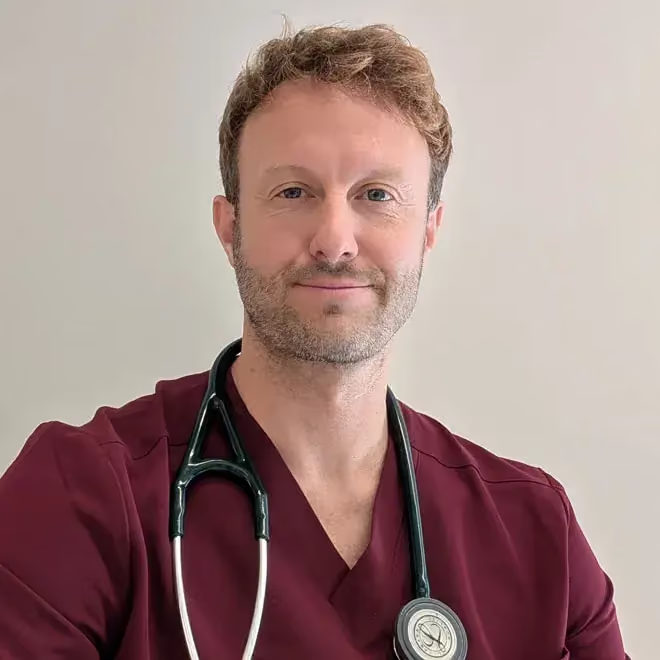
After more than two decades working in emergency medicine, I have witnessed the extraordinary resilience of NHS staff under mounting operational pressure. What was once considered “winter pressure” has now become a year-round reality. Emergency departments are consistently overcrowded, inpatient beds remain limited, and patients are waiting far too long for urgent assessment and treatment.
The NHS continues to provide outstanding care under difficult circumstances, but we must now acknowledge a fundamental truth: demand is outpacing capacity.
This is precisely why the UK needs a modern network of private urgent and acute care clinics — supported by robust remote video consultation services — to complement and strengthen the wider healthcare system.
The Current Situation Is Unsustainable
Recent NHS England data from 2025–26 illustrates the scale of the challenge facing emergency care.
In February 2026 alone, more than 1.3 million patients attended Type 1 and Type 2 A&E departments. Over 72% of patients did not require inpatient care.
Waiting times continue to fall short of national standards. In March 2026, only 77.1% of patients were admitted, transferred, or discharged within four hours — well below the long-established 95% target. At the same time, more than 45,000 patients each month were waiting over 12 hours from the decision to admit to actually receiving a hospital bed.
.avif)
Behind these figures are exhausted clinical teams, delayed ambulance handovers, and vulnerable patients spending unacceptable periods waiting for care.
Older adults are disproportionately affected, with approximately half of emergency admissions involving patients over 65 years old. Many present with frailty, chronic disease exacerbations, infections, falls, or complex medical needs requiring careful assessment and ongoing monitoring.
Emergency Departments Are Managing Increasing Complexity
Modern emergency medicine is no longer simply about trauma and cardiac arrests. Increasingly, emergency departments are functioning as default access points for patients who cannot obtain timely urgent care elsewhere.
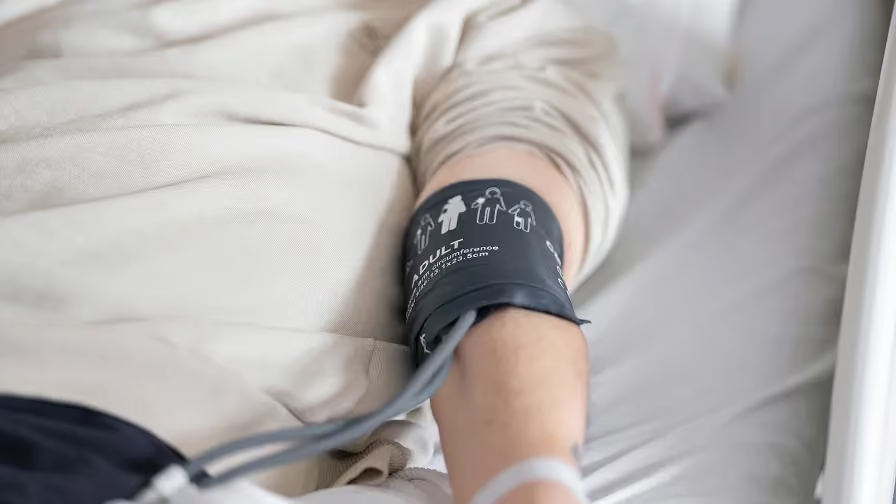
Many patients attending A&E do genuinely require urgent medical assessment — but not necessarily full emergency department infrastructure or inpatient admission. This distinction is critical.
A significant proportion of patients could be safely managed through consultant-led urgent care pathways, short-stay observation services, ambulatory care, or enhanced community-based treatment models. That is where private urgent and acute care clinics can make an immediate and meaningful impact.
The Role of Private Urgent and Acute Care Clinics
A modern urgent and acute care clinic can bridge the growing gap between primary care and hospital admission.
These clinics can provide rapid access to:
- Consultant-led medical assessment
- Intravenous therapies
- Same-day blood testing and imaging
- Observation and monitoring
- Acute respiratory and infection management
- Cardiac investigations
- Elderly care assessment
- Minor injury treatment
- Short-stay acute medical care
Crucially, they can manage patients quickly, efficiently, and safely without exposing them to the overcrowding and prolonged waits commonly seen in hospital emergency departments.
This not only benefits patients but also helps decompress NHS hospitals, allowing emergency departments to focus resources on critically ill and life-threatening cases.
Why Remote Video Consultations Are a Game-Changer
One of the most important developments in modern urgent care is the integration of remote video consultations into acute medical services.

Video medicine is no longer a temporary innovation introduced during the pandemic — it has become an essential clinical tool. When used appropriately, remote consultations can dramatically improve access, efficiency, and patient outcomes.
Faster Access to Medical Advice
Many patients attend emergency departments because they are uncertain whether their symptoms are serious or because they cannot access timely clinical advice elsewhere.
A rapid-access video consultation with an experienced clinician can often determine:
- Whether a patient can be safely managed at home
- Whether urgent investigations are needed
- Whether face-to-face assessment is necessary
- Whether hospital attendance can be avoided entirely
This form of early triage reduces unnecessary A&E attendance while ensuring genuinely unwell patients are identified quickly.
Better Care for Elderly and Vulnerable Patients
For older patients, travelling to hospital can be physically exhausting and clinically risky. Frail individuals are particularly vulnerable to hospital-acquired infections, delirium, dehydration, and deconditioning associated with prolonged emergency department stays.
Remote consultations allow clinicians to assess patients in the safety and familiarity of their own homes.
In many cases, family members or carers can also join consultations remotely, improving communication and supporting better decision-making.
Increased Efficiency for Clinicians and Patients
Video consultations also allow urgent care clinics to operate more efficiently.
Patients with lower-acuity conditions can be reviewed rapidly, follow-up assessments can be conducted remotely, and clinicians can prioritise in-person appointments for patients who genuinely require physical examination or procedures.
This hybrid model improves patient flow while reducing unnecessary travel, waiting room congestion, and healthcare costs.
Enhanced Continuity of Care
One of the major frustrations patients experience in traditional emergency care is fragmentation. They may see multiple clinicians across multiple departments with little continuity.
Private urgent care services integrated with virtual consultations can provide a far more cohesive experience:
- Initial video triage
- Same-day clinic attendance if needed
- Diagnostic testing
- Consultant review
- Remote follow-up after discharge
This continuity improves safety, patient confidence, and overall clinical outcomes.
Supporting the NHS Through Innovation
The future of urgent healthcare in the UK cannot rely solely on expanding traditional hospital emergency departments. Physical infrastructure, workforce shortages, and financial pressures make that unrealistic in the short term.
Instead, we need flexible, technology-enabled healthcare models that can safely manage rising patient demand outside hospital walls wherever appropriate.
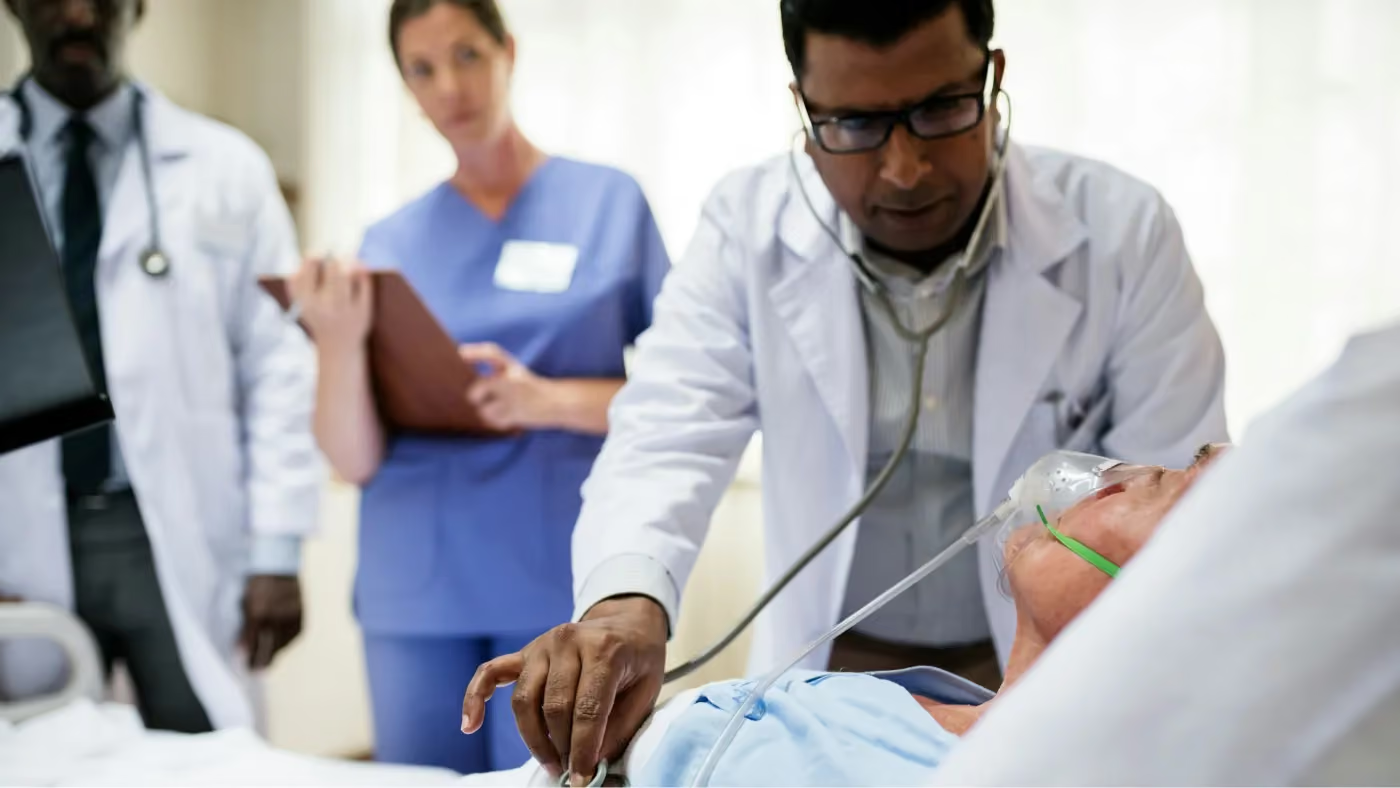
Private urgent and acute care clinics — particularly those integrated with remote video medicine — represent one of the most practical and scalable solutions available today.
They are not intended to replace the NHS. They are designed to support it.
If we are serious about reducing emergency department overcrowding, improving patient experience, and delivering timely acute medical care, then investment in integrated urgent care services is no longer optional. It is inevitable.


Online Emergency Doctor Consultations: How Smartphone Face Scanning Supports Remote Care
A short smartphone face scan can give the doctor additional physiological information to support what they're already seeing and hearing.
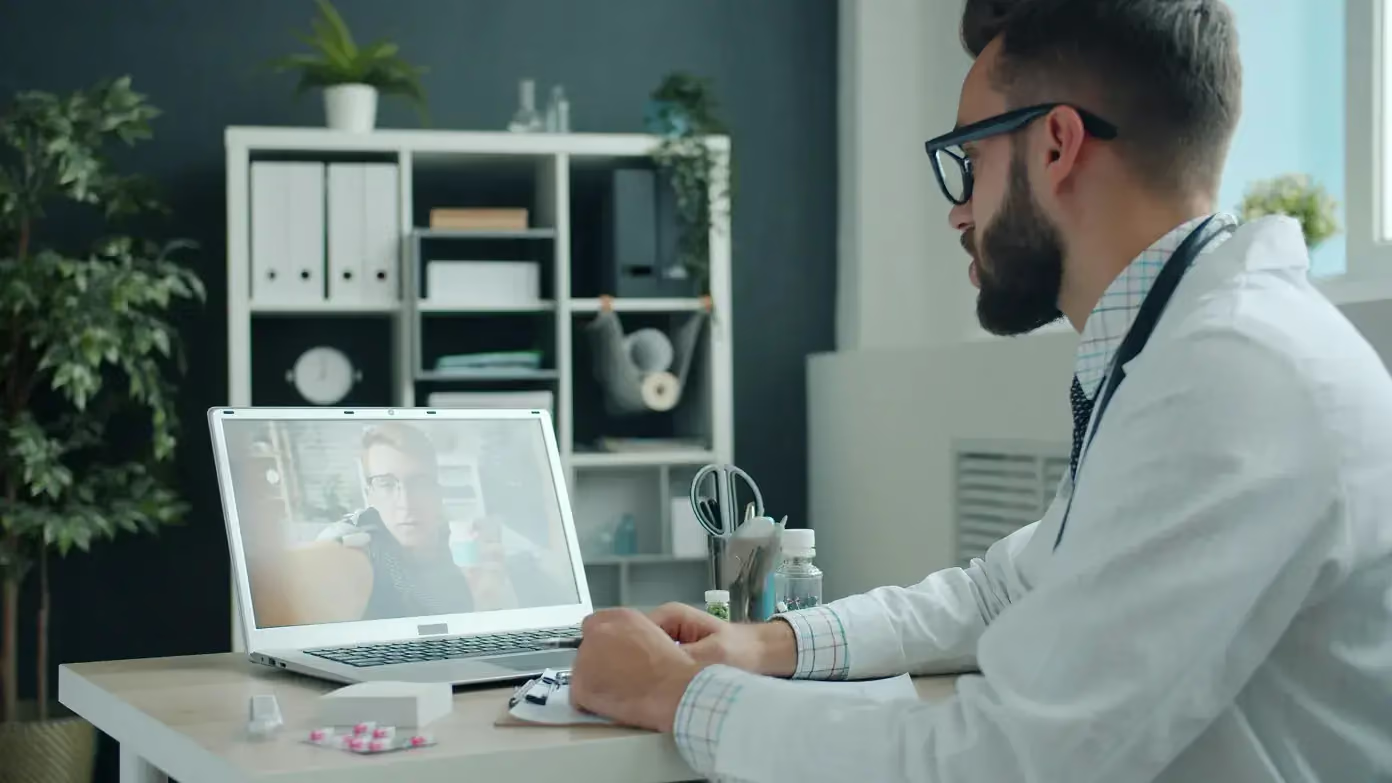
Why Online Urgent Care Is a Game-Changer for Non-Emergency Health Problems
We’ve all been there: you wake up with a high temperature, a nasty cough, or a painful ankle, and your first thought is, “Do I go to A&E? Should I wait for a GP appointment? What if it gets worse?”

