Why Remote Video Consultations Are a Game-Changer
One of the most important developments in modern urgent care is the integration of remote video consultations into acute medical services.
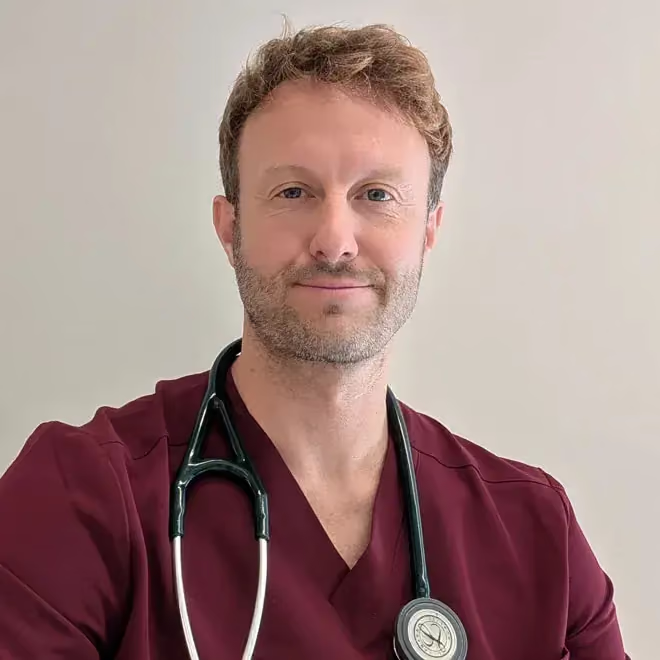
One of the most important developments in modern urgent care is the integration of remote video consultations into acute medical services.
Video medicine is no longer a temporary innovation introduced during the pandemic — it has become an essential clinical tool. When used appropriately, remote consultations can dramatically improve access, efficiency, and patient outcomes.
Faster Access to Medical Advice
Many patients attend emergency departments because they are uncertain whether their symptoms are serious or because they cannot access timely clinical advice elsewhere.
A rapid-access video consultation with an experienced clinician can often determine:
- Whether a patient can be safely managed at home
- Whether urgent investigations are needed
- Whether face-to-face assessment is necessary
- Whether hospital attendance can be avoided entirely
This form of early triage reduces unnecessary A&E attendance while ensuring genuinely unwell patients are identified quickly.
Better Care for Elderly and Vulnerable Patients
For older patients, travelling to hospital can be physically exhausting and clinically risky. Frail individuals are particularly vulnerable to hospital-acquired infections, delirium, dehydration, and deconditioning associated with prolonged emergency department stays.
Remote consultations allow clinicians to assess patients in the safety and familiarity of their own homes.
In many cases, family members or carers can also join consultations remotely, improving communication and supporting better decision-making.
Increased Efficiency for Clinicians and Patients
Video consultations also allow urgent care clinics to operate more efficiently.
.avif)
Patients with lower-acuity conditions can be reviewed rapidly, follow-up assessments can be conducted remotely, and clinicians can prioritise in-person appointments for patients who genuinely require physical examination or procedures.
This hybrid model improves patient flow while reducing unnecessary travel, waiting room congestion, and healthcare costs.
Enhanced Continuity of Care
One of the major frustrations patients experience in traditional emergency care is fragmentation. They may see multiple clinicians across multiple departments with little continuity.
Private urgent care services integrated with virtual consultations can provide a far more cohesive experience:
- Initial video triage
- Same-day clinic attendance if needed
- Diagnostic testing
- Consultant review
- Remote follow-up after discharge
This continuity improves safety, patient confidence, and overall clinical outcomes.
Supporting the NHS Through Innovation
The future of urgent healthcare in the UK cannot rely solely on expanding traditional hospital emergency departments. Physical infrastructure, workforce shortages, and financial pressures make that unrealistic in the short term.
Instead, we need flexible, technology-enabled healthcare models that can safely manage rising patient demand outside hospital walls wherever appropriate.
Private urgent and acute care clinics — particularly those integrated with remote video medicine — represent one of the most practical and scalable solutions available today.
They are not intended to replace the NHS. They are designed to support it.
If we are serious about reducing emergency department overcrowding, improving patient experience, and delivering timely acute medical care, then investment in integrated urgent care services is no longer optional. It is inevitable.
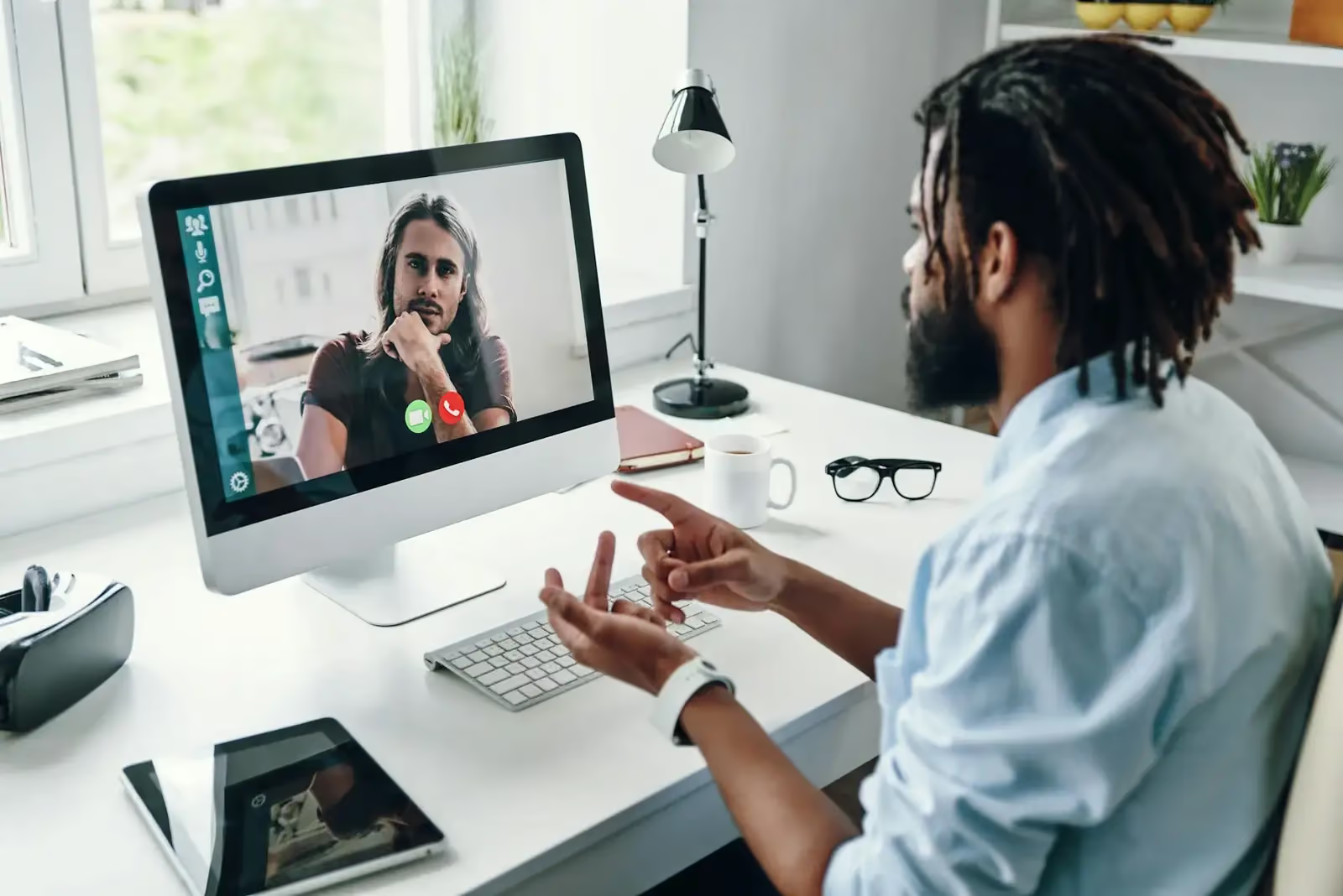
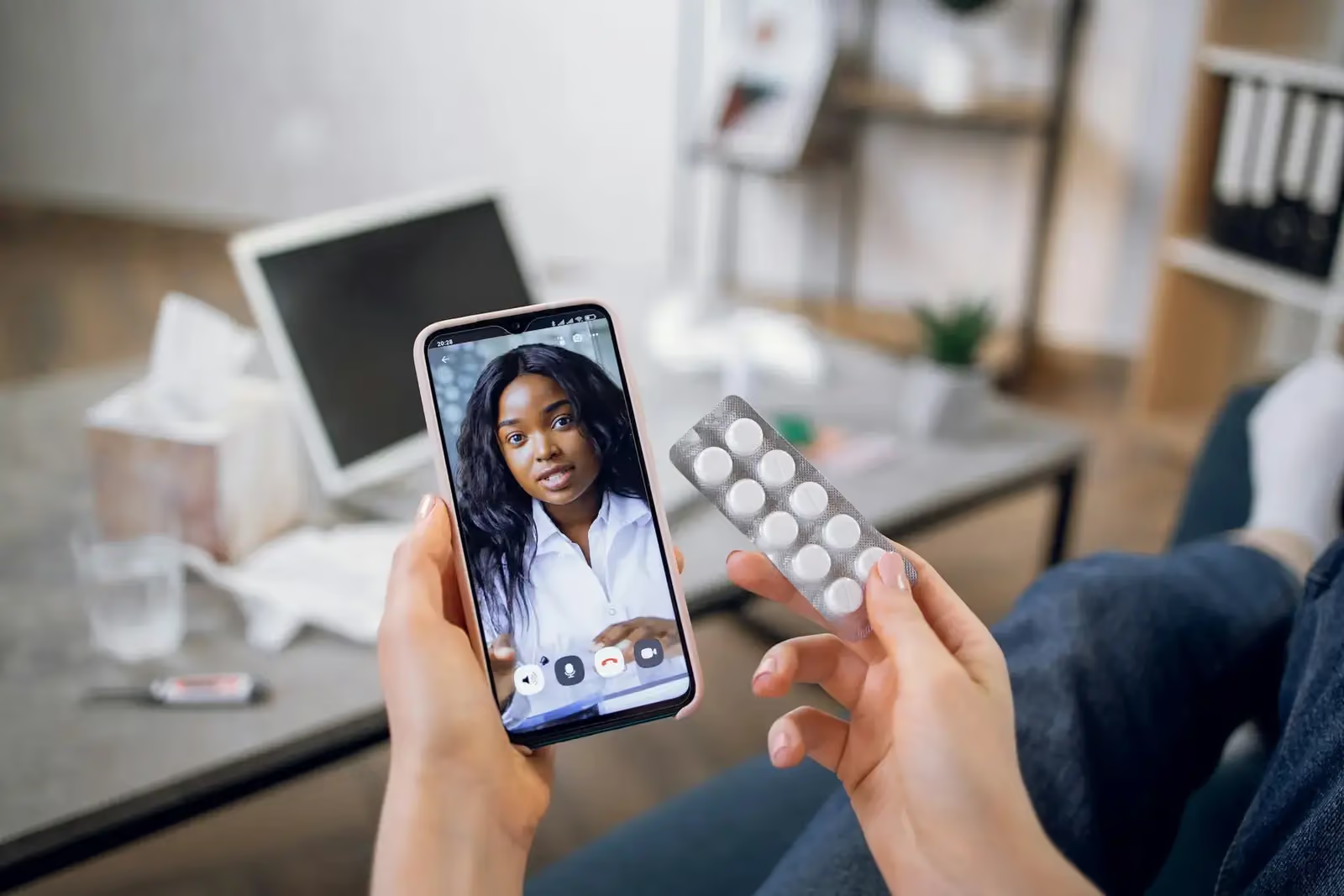
Online Emergency Doctor Consultations: How Smartphone Face Scanning Supports Remote Care
A short smartphone face scan can give the doctor additional physiological information to support what they're already seeing and hearing.
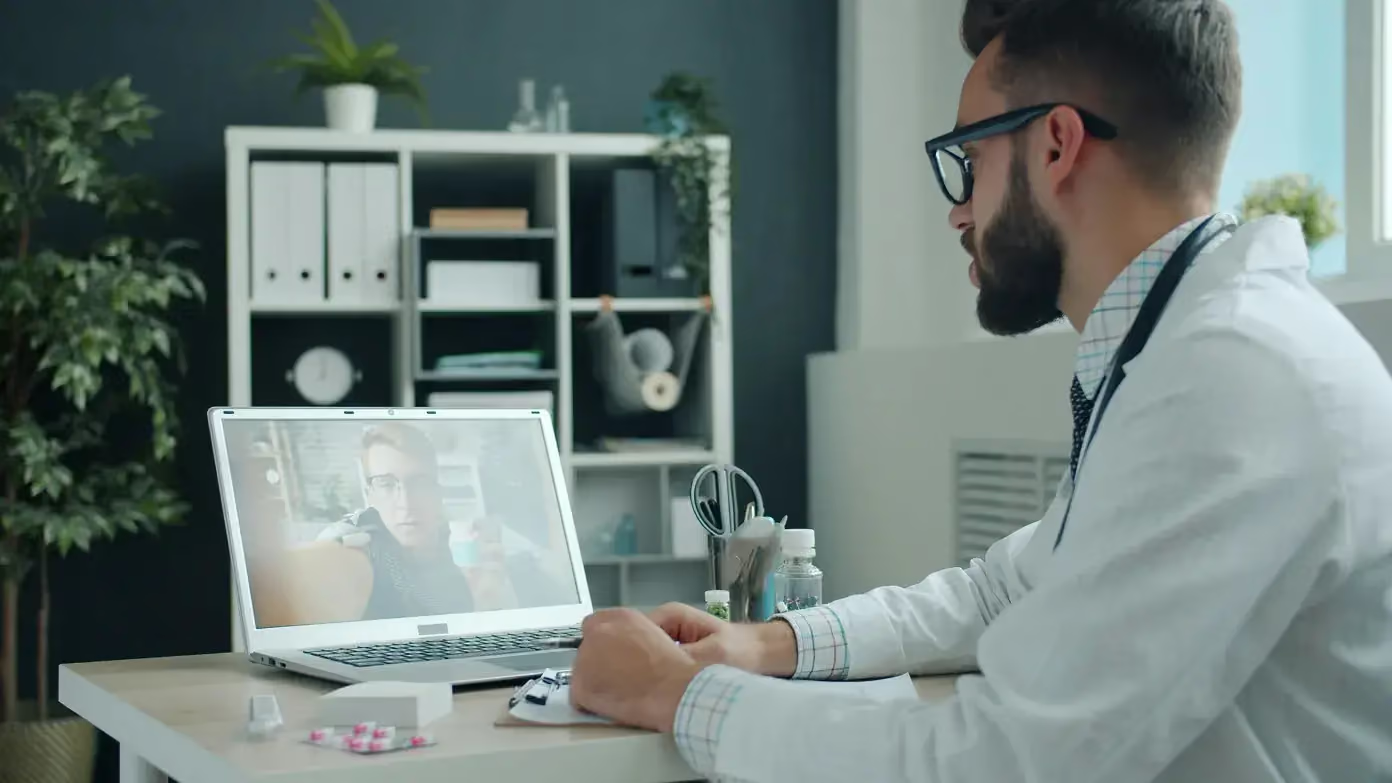
Why Online Urgent Care Is a Game-Changer for Non-Emergency Health Problems
We’ve all been there: you wake up with a high temperature, a nasty cough, or a painful ankle, and your first thought is, “Do I go to A&E? Should I wait for a GP appointment? What if it gets worse?”

